生产管理系统是围绕计划排产、工单执行、进度反馈、异常处理和库存协同建立的一套数字化管理工具,核心目标是让生产过程更透明、更可追踪。它尤其适合多工序、多岗位协同的制造企业,也适合已经感觉到 Excel、微信群和纸质单据难以支撑日常管理的中小工厂。
查看对应文章生产管理专题
从计划排产、工单执行到异常反馈与库存协同,旨在分享生产管理场景下最值得优先阅读的干货帮助你快速建立对系统选型、流程优化与落地方法的整体认知。
共 823 篇文章 累计阅读 66.2k+ 最近更新 2026-11-14
相关最新文章
WMS ERP - How Warehouse and Business Systems Work Together
WMS ERP integration connects warehouse execution with broader enterprise processes. A Warehouse Management System (WMS) typically manages receiving, putaway, picking, and stock movement, while an Enterprise Resource Planning (ERP) system coordinates records such as purchasing, sales, inventory, and finance. The systems work together when each has a clear role and data is exchanged deliberately. To synchronize inventory between WMS and ERP, define item identifiers, transaction events, the system of record, and the reconciliation process before building a connection.
What Is CRM A Guide to Managing Customer Relationships
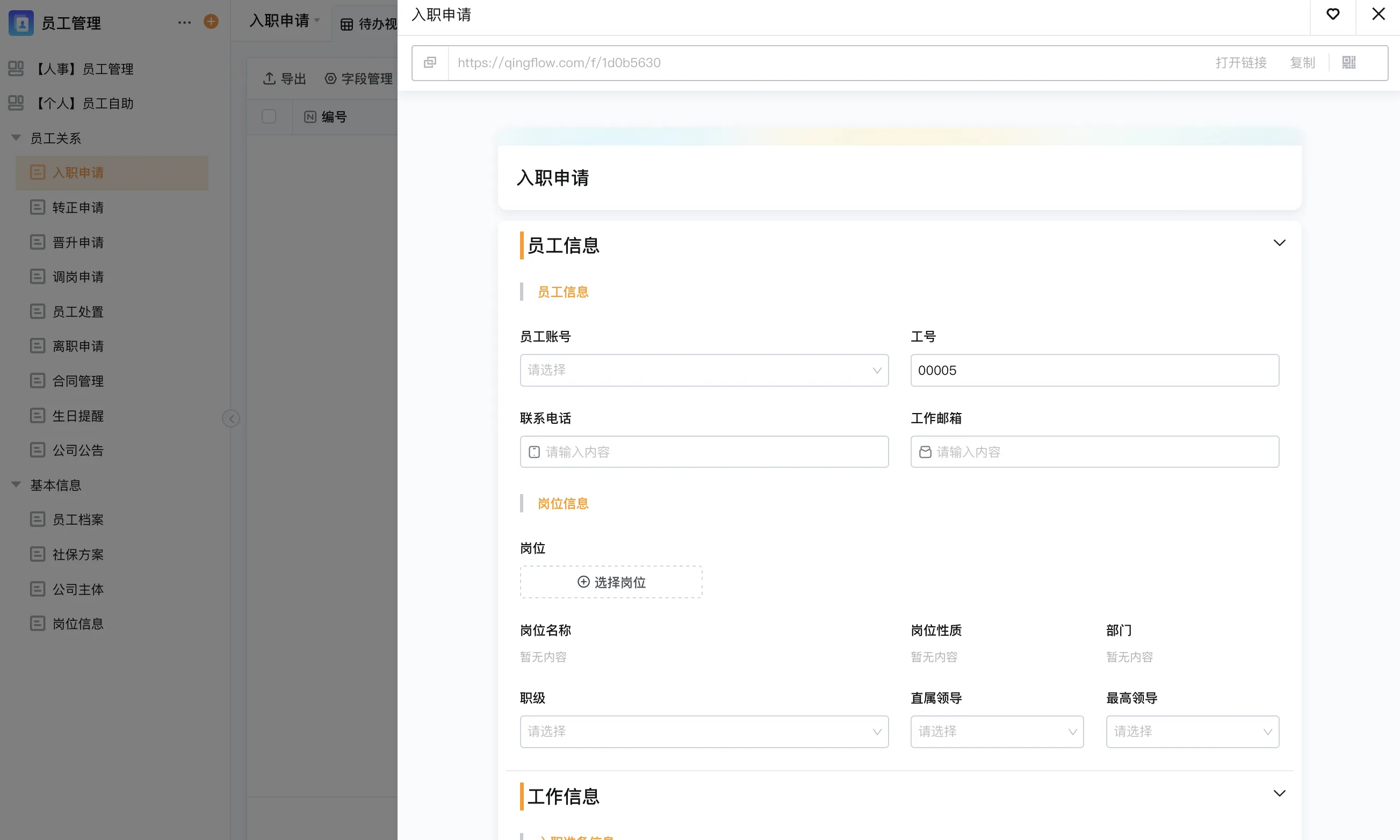
Customer Relationship Management (CRM) is the way a business organizes customer information, interactions, followup, and service across its relationship with a buyer. A CRM process helps people understand who a customer is, what has happened, who owns the next step, and what needs attention. For small businesses and B2B sales teams, the foundation is not a complicated dashboard: it is accurate records, clear ownership, and a consistent process from first contact through handoff.
SRM System - A Practical Supplier Relationship Guide
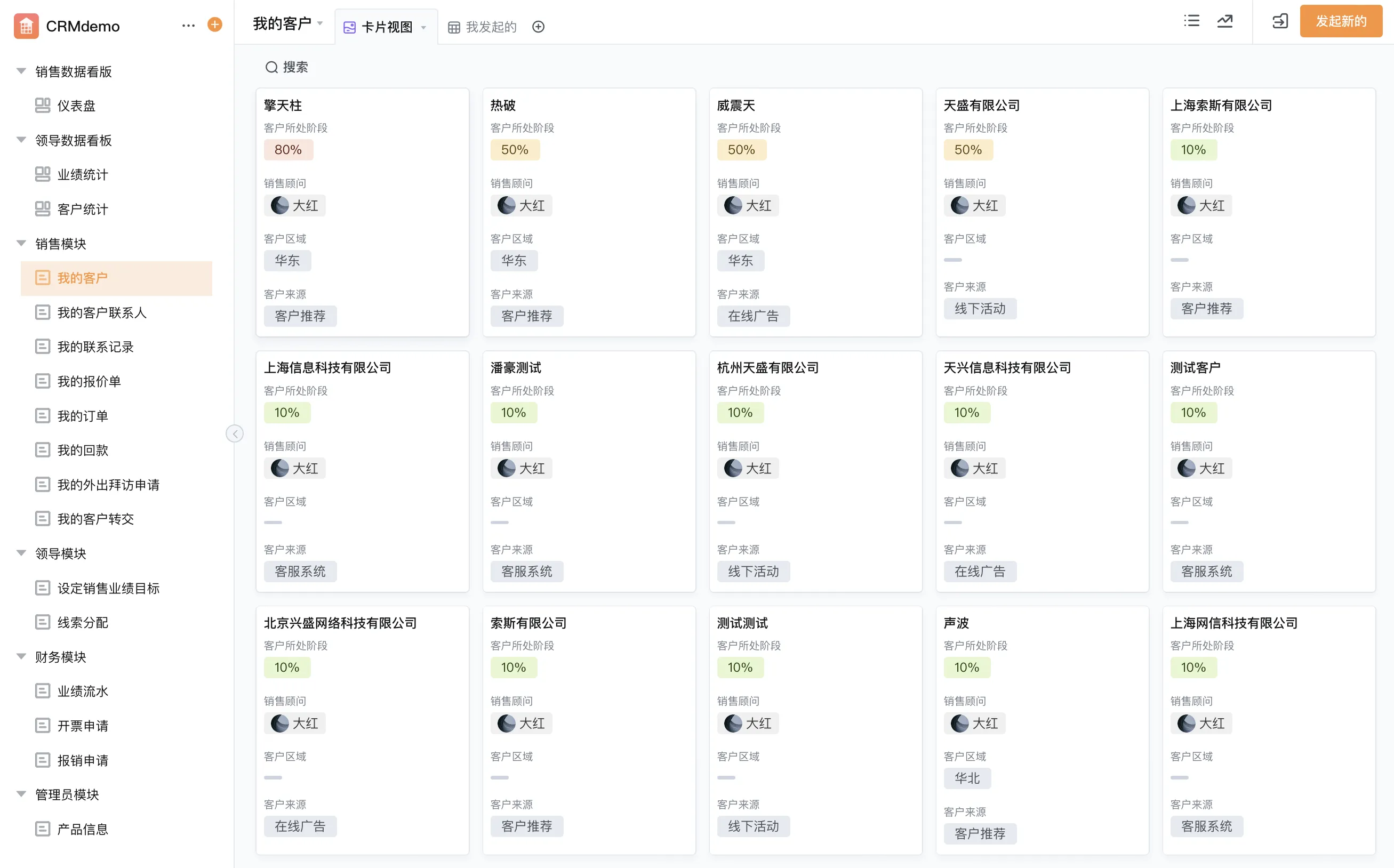
An SRM system, or Supplier Relationship Management system, organizes how a business onboards suppliers, coordinates procurement requests, tracks decisions, and reviews supplier relationships. The process can connect qualification records, purchasing approvals, delivery followup, and evaluation criteria, while accounting or purchasing platforms may remain authoritative for transactions. SMEs can start with a limited supplier lifecycle and add control only where the organization has a clear owner and business need.
Simple CRM for Small Teams - The Features You Actually Need
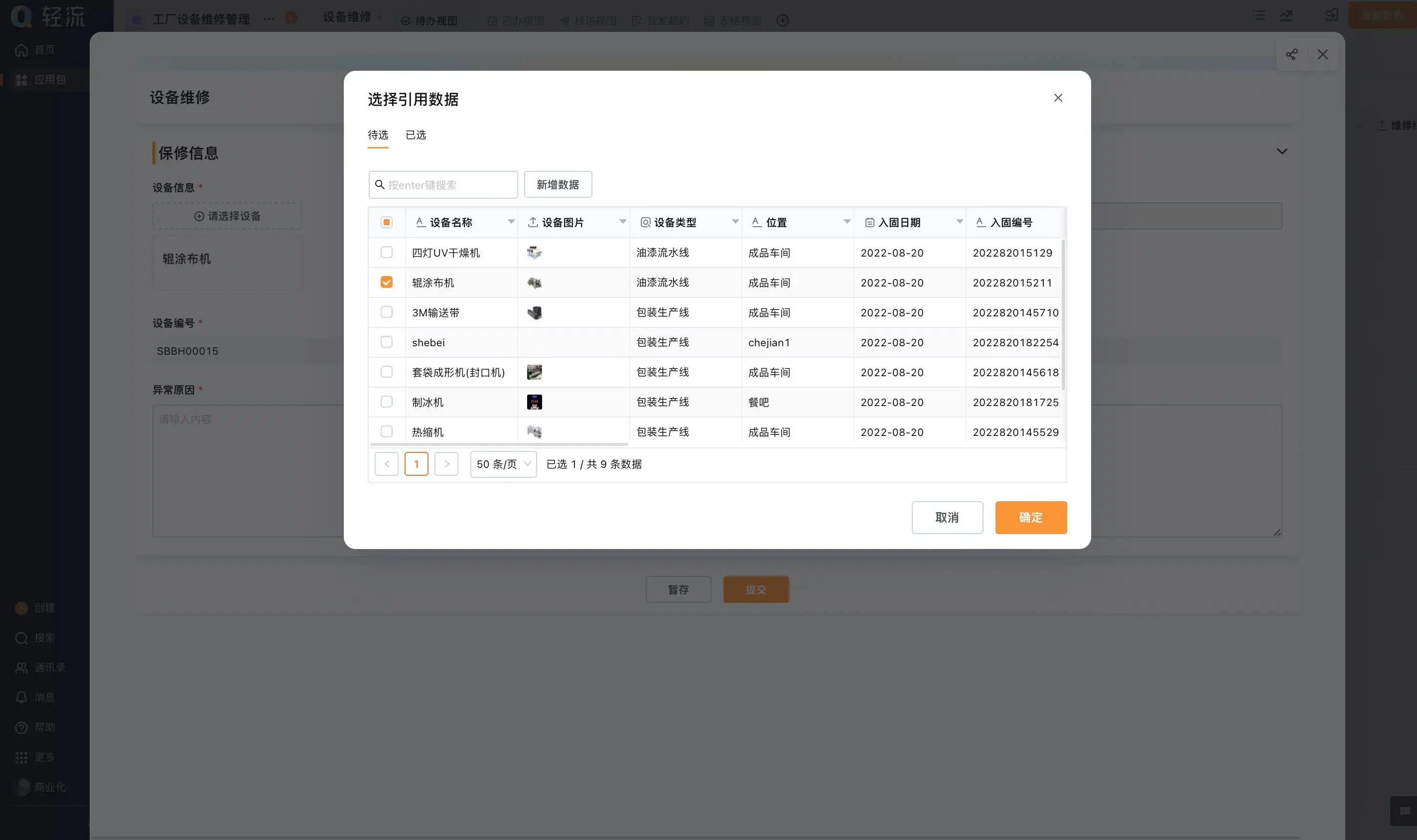
A simple CRM gives a small team one dependable place to track contacts, leads, conversations, owners, and next actions. It should make everyday followup easier without requiring people to maintain a large data model. Start with the smallest workflow that solves a real coordination problem, then add structure only when the team can explain why it is needed.
How to Choose an ERP Platform for a Growing Business
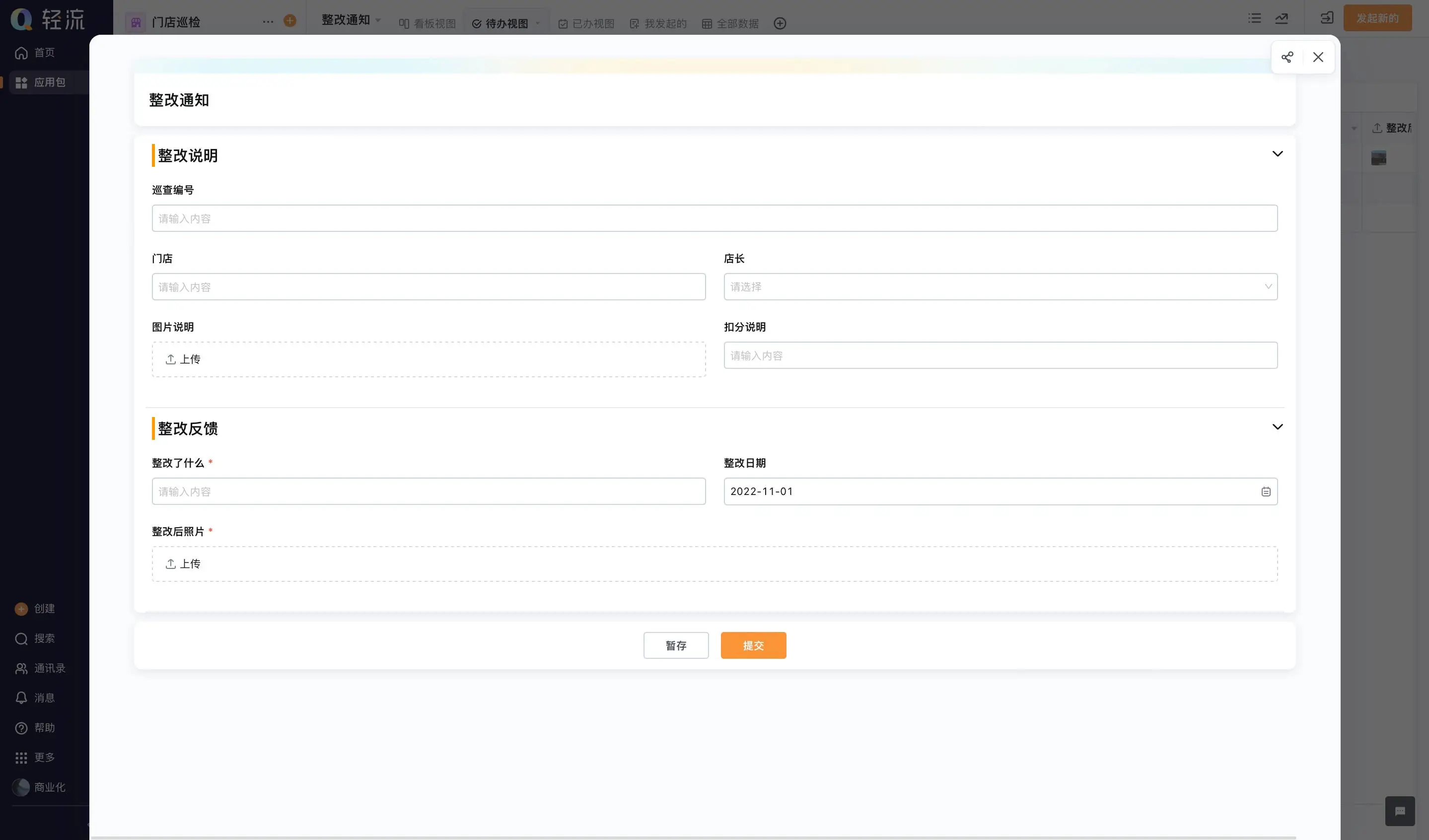
The right ERP platform gives a business a reliable way to coordinate the functions it actually needs, with clear data ownership and room to adapt as processes change. Small businesses should compare core coverage, usability, integrations, governance, and implementation effort before choosing. Manufacturers have additional questions about production planning and execution. A flexible platform for growing teams can support configurable workflows, but it should be evaluated against specialist ERP and manufacturing requirements rather than assumed to replace them.
Excel CRM vs CRM Software - When to Move Beyond Spreadsheets
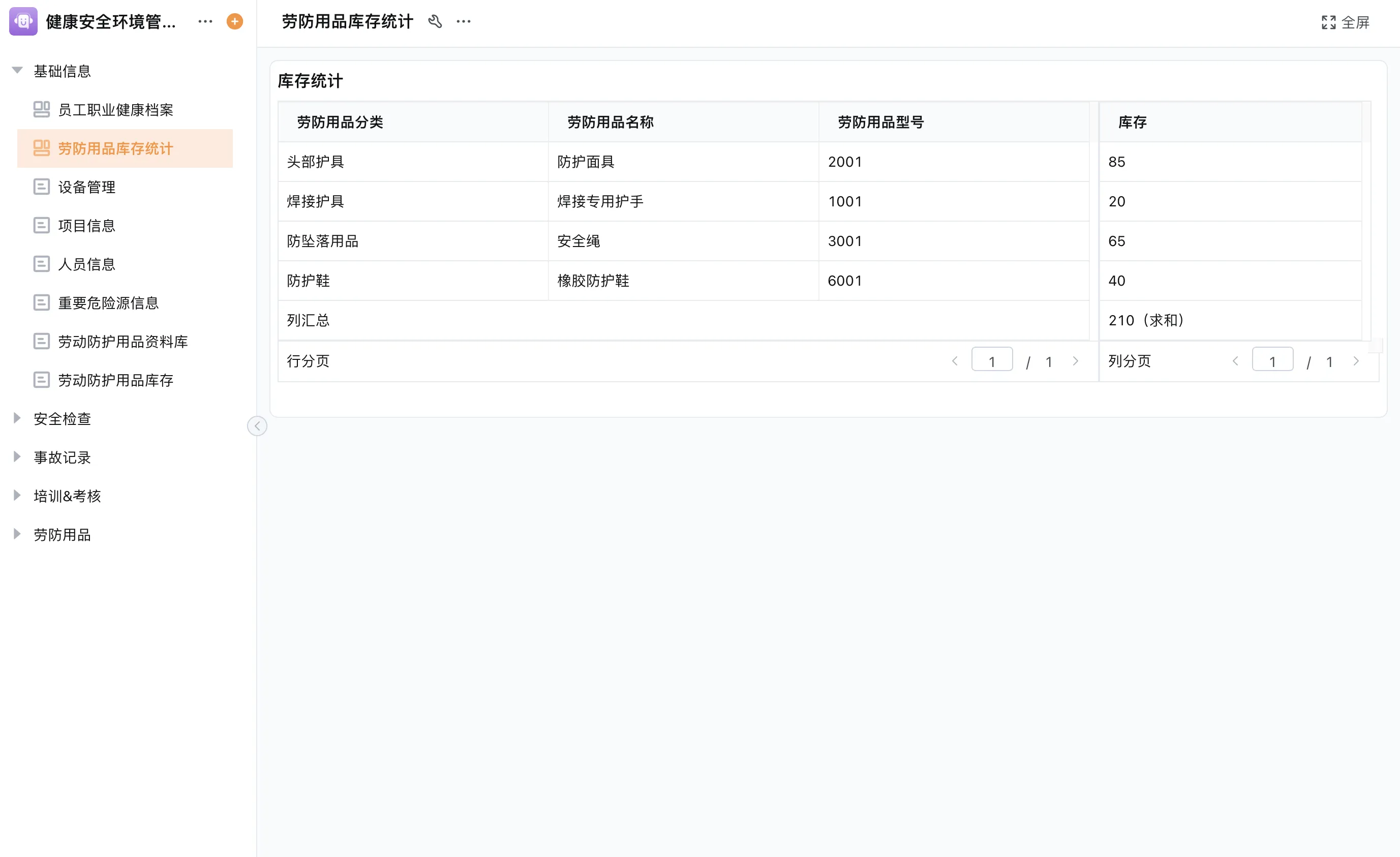
An Excel CRM can work as a basic customer tracker when one person manages a small, stable list and the process is easy to review. CRM software becomes useful when several people need shared ownership, activity history, reminders, or a consistent pipeline. The choice depends on coordination and control needs, not on whether spreadsheets are inherently inadequate.
ERP Dashboard Guide - Choose KPIs for Better Decisions
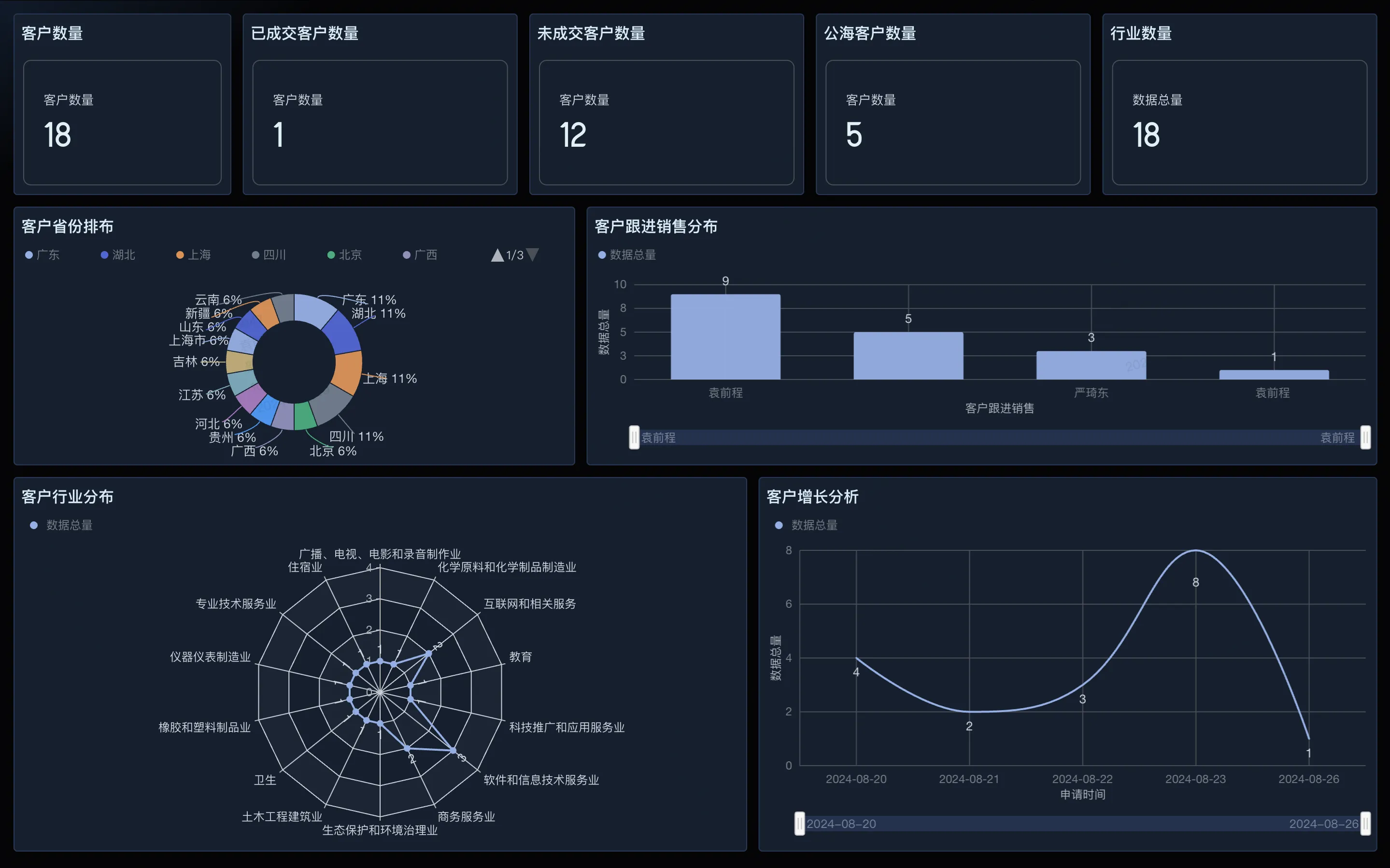
An ERP dashboard turns selected business records into a view that helps people decide what to investigate or do next. A useful dashboard starts with a role, a decision, and clearly defined measures; it does not start with a collection of charts. Whether you need a realtime ERP dashboard or a scheduled report, confirm how often source data updates, who owns each metric, and what action should follow when a measure changes.
CRM System Guide - Manage Leads, Deals, and Customer Data
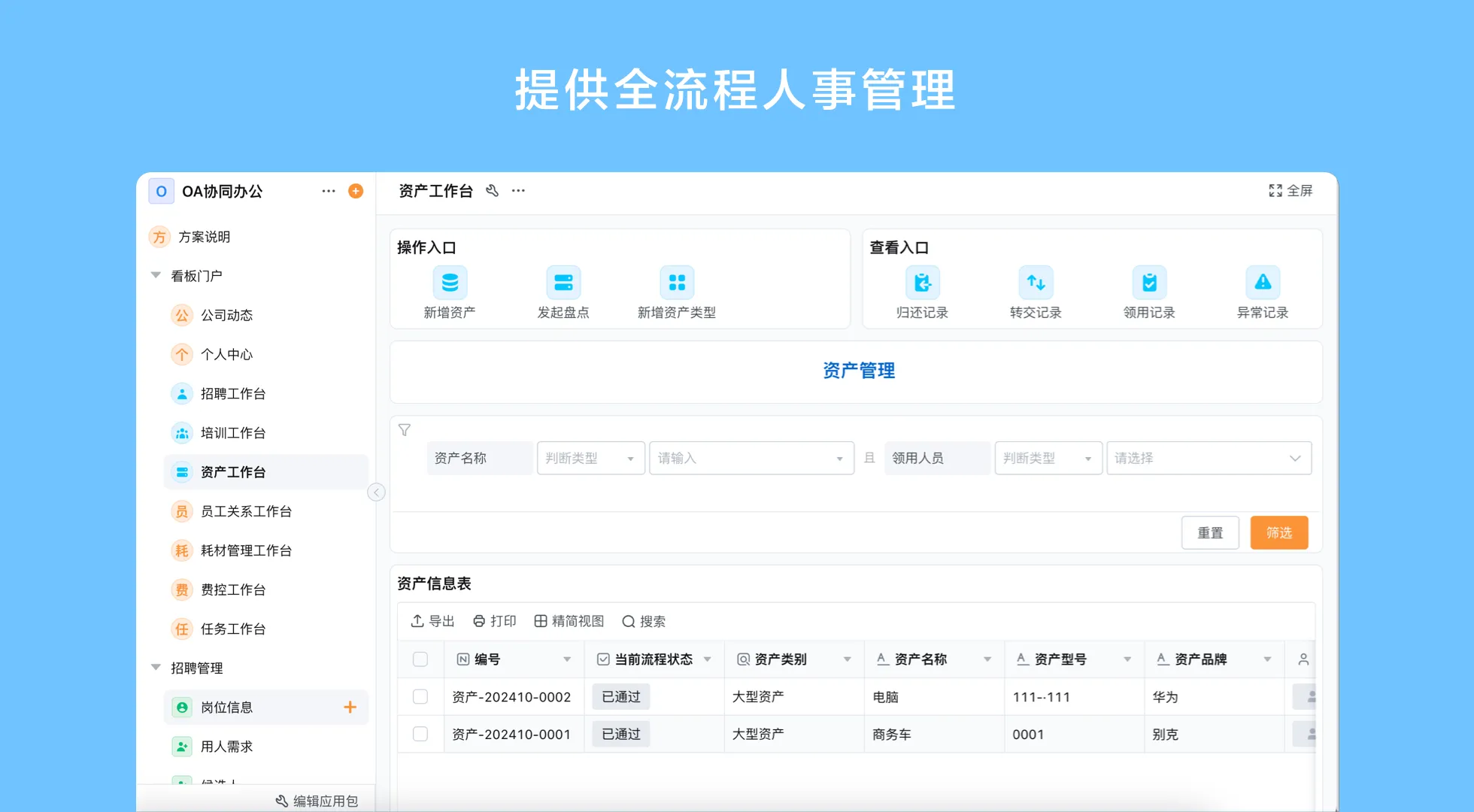
A CRM system is the combination of customer data, people, permissions, workflows, and reporting used to manage relationships across a business. A CRM system for sales pipeline management can support customer lifecycle work when records have clear ownership and connected stages. Designing the system starts with the information and handoffs your teams need, not with screens or automation rules.
客户案例
看看轻流生产管理系统的实际使用反馈
常见问题