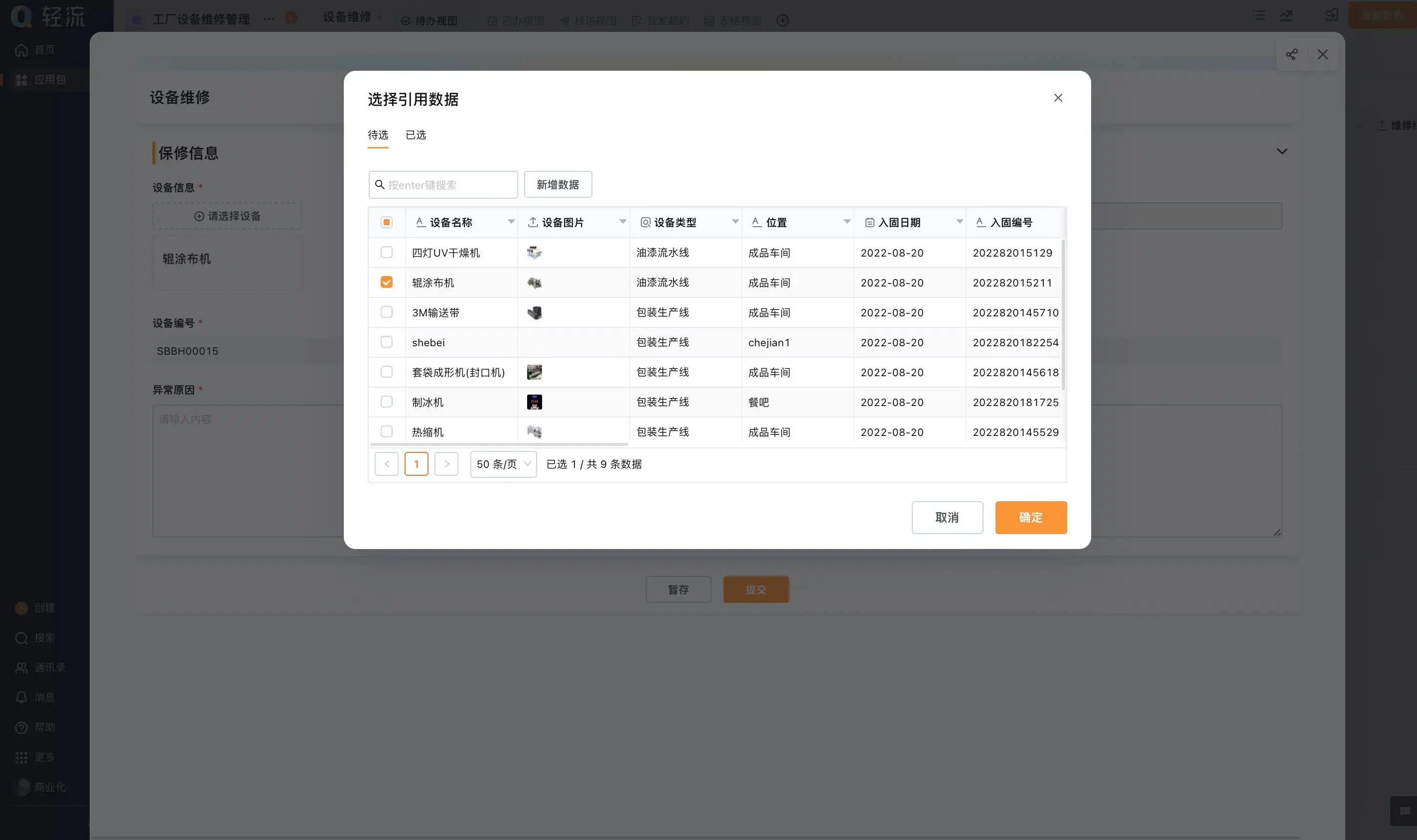
What an SRM system should make easier to coordinate
Supplier relationships involve more than storing contact details. A business may need to collect onboarding information, route reviews, link suppliers to procurement requests, record delivery issues, and revisit performance or qualification decisions. An SRM system can organize those steps and give authorized teams a shared record of the relationship. Its value depends on clear criteria, reliable information, and defined responsibilities.
The system’s boundary should be explicit. Supplier relationship management may coordinate records and workflows, while an ERP or procurement tool continues to own purchase orders, invoices, payment, or inventory transactions. Some products combine these capabilities; others integrate with them. Verify the scope and data exchange for the chosen software instead of assuming the SRM label includes every procurement function.
Map the supplier lifecycle from request to review
- Request the supplier and define the business need.
- Collect only required onboarding information.
- Route qualification reviews and record the decision.
- Connect procurement activity to the supplier record.
- Assign delivery follow-up and periodic review.
| Stage | Possible record or action | Owner to define |
|---|---|---|
| Supplier request | Business need, category, requester, initial information | Requesting team and procurement contact |
| Onboarding | Supplier details, required documents, review status | Supplier administrator or assigned reviewer |
| Qualification decision | Criteria, evidence references, decision, next review date | Authorized business and specialist reviewers |
| Procurement coordination | Purchase request, approvals, supplier selection rationale | Requester and procurement approvers |
| Delivery follow-up | Order reference, delivery status, issue, resolution owner | Receiving or operational team |
| Relationship review | Review period, criteria, notes, follow-up action | Supplier relationship owner |
Keep the process proportionate to supplier type and risk as defined by the organization. Not every supplier needs the same route. Make the reasons for different review paths explicit and ensure that relevant policy owners approve them.
Supplier onboarding and evaluation software: start with ownership
Supplier onboarding and evaluation software should make it clear who requested a supplier, who verifies information, and who is authorized to accept the relationship under internal procedures. A well-designed intake captures only information needed for the decision. It should show whether an item is pending, returned for correction, approved, or declined, and retain enough context for an authorized reviewer to understand the outcome.
1. Define supplier categories
Use categories that affect a real process decision, such as review ownership or required documentation. Avoid creating a complicated taxonomy that staff cannot apply consistently. Explain the categories and provide a route for uncertain cases so that requesters do not choose a convenient but incorrect option.
2. Assign reviewers and decisions
Identify which people or functions review a supplier record and what each reviewer is responsible for. Separate information verification from approval where internal policy requires it. Record the decision and any follow-up task rather than relying on a free-text status that may mean different things to different departments.
3. Connect procurement steps to the supplier record
When a procurement request is approved, relate it to the relevant supplier and transaction record in the authoritative purchasing or ERP system. Decide what information needs to be visible in the supplier workflow and how changes are synchronized. This reduces duplicate maintenance while preserving system ownership.
4. Review and update records
Assign a process owner for correcting supplier details and reviewing open issues. Decide when stale or incomplete records should be revisited under company policy. A supplier record should not remain active only because nobody owns the next review.
- State each criterion and its evidence source.
- Explain the scoring scale in plain language.
- Record the reviewer and any material exception.
- Keep organization-approved weights visible.
Use transparent evaluation criteria
Supplier evaluation should be explainable to the people who make and review decisions. Choose criteria that matter to the specific category and state what evidence supports each assessment. An illustrative scoring model might assign 40% to delivery reliability, 30% to product or service fit, 20% to responsiveness, and 10% to documentation completeness. These weights are only an example for discussion; they are not a recommendation, industry benchmark, or Qingflow feature. A company should set and approve its own criteria, evidence standards, and decision thresholds.
Where reviewers score criteria, define the scale in plain language. For example, decide what “meets expectation” means and what records support the score. Include a comment or evidence reference for material judgments. Avoid presenting a composite score as objective truth if the inputs are incomplete or subjective. The process should allow an authorized reviewer to explain an exception and record why a decision differs from the score.
Coordinate procurement workflow automation
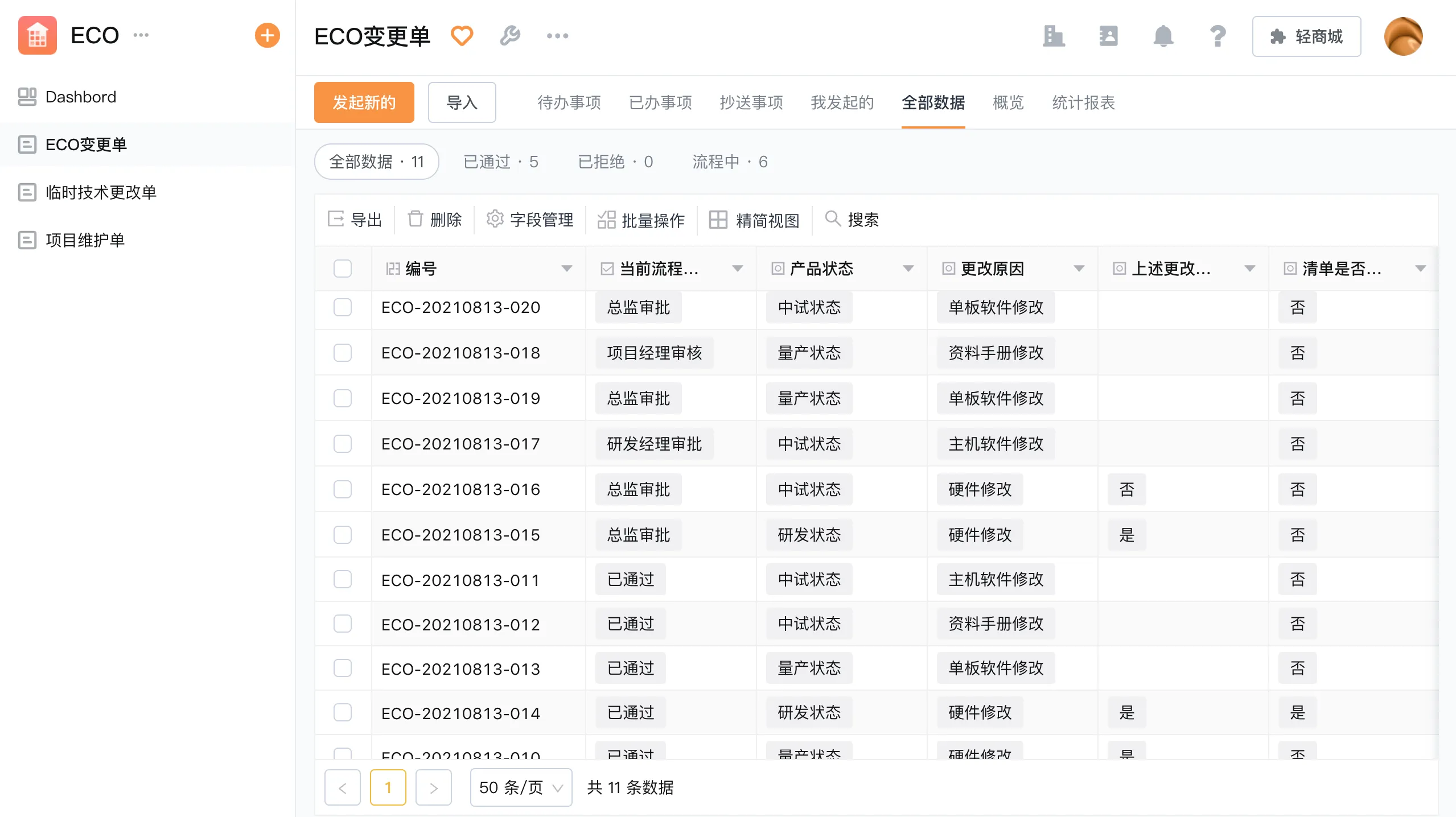
SRM procurement workflow automation can route supplier requests and purchasing approvals, assign follow-up, and notify the next owner when a record changes state. Good automation removes avoidable handoffs while preserving decision points that require human review. Make the conditions visible, test incomplete submissions and reassignment, and plan what happens when the usual approver is unavailable.
For a supplier relationship management system for SMEs, operational simplicity is especially important. Choose a starting process such as onboarding or approval of a defined purchase request. Confirm who will maintain categories and workflow rules, how the supplier record links to existing systems, and what information should not be collected. Expand only when the first process is understood and maintained.
Where configurable business applications fit
A configurable platform may help a team connect supplier forms, workflow routing, access permissions, records, and operational reports around a particular procurement process. It does not automatically replace a purchasing or ERP system. Validate integrations, transaction ownership, and any specialized supplier controls with the product provider and internal process owners.
Qingflow is an AI-powered no-code platform for building customizable business management applications and automating workflows. Teams can assess its forms, workflow configuration, data management, role-based access, and reports for selected supplier onboarding or procurement coordination needs. The final application still requires approved criteria, clear ownership, and review of its boundaries.
Conclusion
An SRM system works best when the supplier lifecycle is clearly owned, evaluation criteria are transparent, and procurement records connect to the systems that own transactions. Map onboarding, qualification, purchasing coordination, delivery follow-up, and review before selecting software. Start with a maintainable workflow, control access to supplier information, and verify the product boundaries and integrations.
If supplier requests and approvals cross departments, explore whether configurable workflows can make those handoffs easier to manage. Visit Qingflow to learn about building business applications around defined processes.
Frequently Asked Questions
Q1: What does an SRM system do?
A: An SRM system helps organize supplier information and processes such as onboarding, qualification, procurement coordination, delivery follow-up, and relationship review. Its scope varies by product. A business should identify which tool owns purchase orders, invoices, and other transactions, then assess whether the SRM application needs to exchange selected supplier and workflow data with those systems.
Q2: What should a supplier relationship management system for SMEs include?
A: It should support the supplier processes the business actually needs, often beginning with a structured request, ownership, review, approval status, and follow-up. Small and midsize organizations should favor understandable categories and maintainable workflows over unnecessary complexity. Confirm permissions, data fields, reporting, and connections to purchasing or ERP tools for the exact product and plan under consideration.
Q3: How should supplier onboarding and evaluation software handle scores?
A: It should show the criteria, scale, evidence, reviewer, and decision context behind a score. Weights and thresholds should be approved by the organization and tailored to the supplier category. A combined score should not hide missing information or override an authorized exception. Keep the evaluation transparent so a reviewer can understand why a supplier received a particular assessment.
常见问题
本文由轻流知识中心编辑整理
轻流(Qingflow)是一体化 AI 无代码平台,持续围绕生产管理、进销存、设备巡检、 CRM、OA 等企业数字化场景输出实操内容,帮助团队更快完成系统选型、 流程优化与落地搭建。