可以,而且这类权限分层应该在 OA 搭建初期就设计好。常见做法是按部门、岗位、流程角色和数据范围多层控制:谁能发起、谁能审批、谁能查看,以及哪些字段或单据只允许特定角色访问。像合同、报销、财务台账这类敏感数据,最好单独配置可见范围、操作日志和导出权限,避免系统上线后再返工补漏洞。
查看对应文章OA行政管理专题
请假审批卡在哪个环节了?章去哪里盖?通知发了有没有人看?OA行政管理覆盖的远不止这些。本专题围绕企业日常办公场景,帮你找到OA系统真正用起来的正确方式。
共 768 篇文章 累计阅读 40.1k+ 最近更新 2026-11-13
相关最新文章
What Is ERP Implementation A Step-by-Step Rollout Guide
What is ERP implementation? It is the work of selecting, configuring, integrating, and adopting an Enterprise Resource Planning system so it supports defined business processes. It includes people, data, controls, testing, and ongoing ownership—not only software setup. Small businesses can reduce risk by starting with a bounded process, cleaning and assigning data, and validating real scenarios before launch. ERP implementation without extensive coding may be possible for configurable workflows, but it still requires planning and governance.
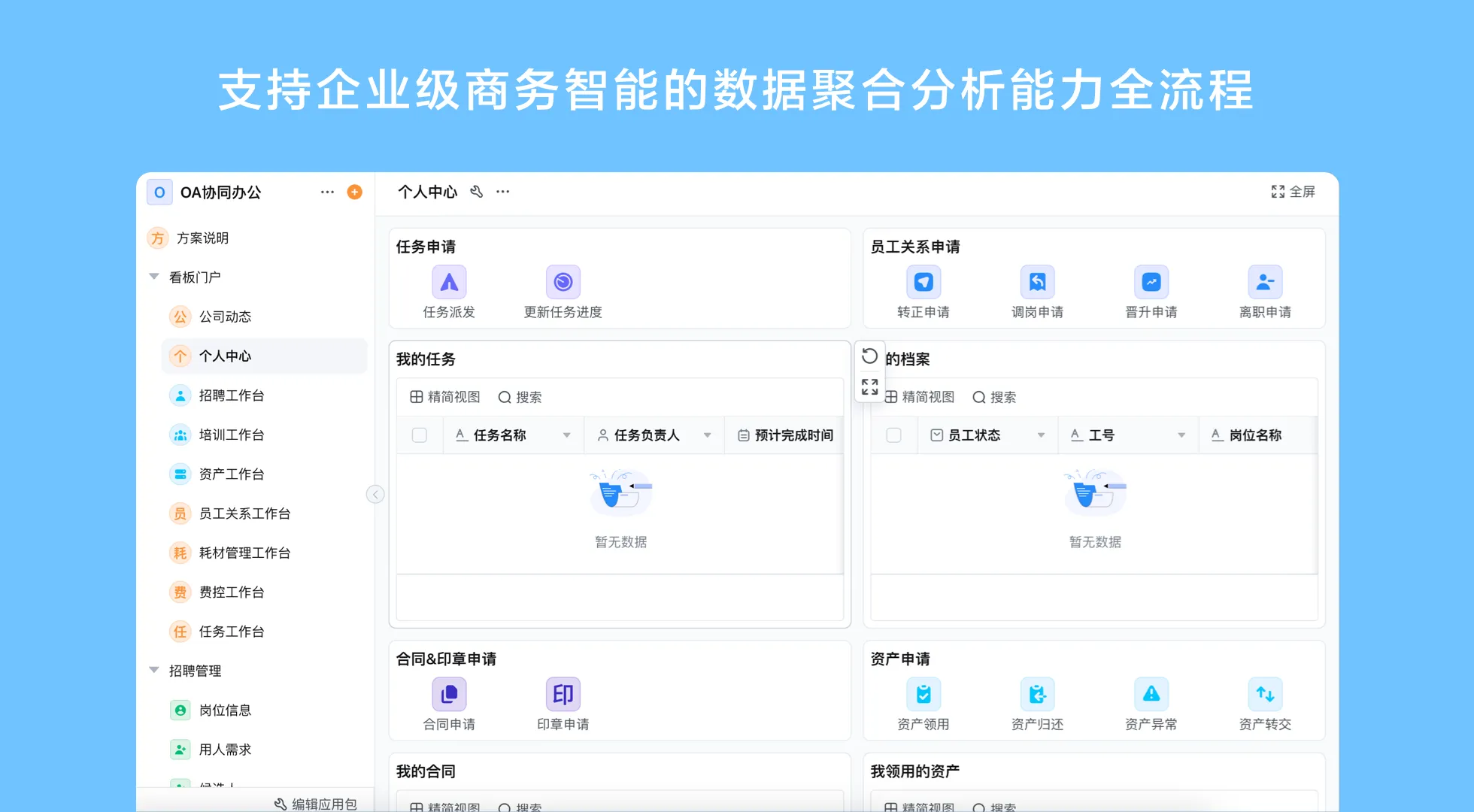
SRM System - A Practical Supplier Relationship Guide
An SRM system, or Supplier Relationship Management system, organizes how a business onboards suppliers, coordinates procurement requests, tracks decisions, and reviews supplier relationships. The process can connect qualification records, purchasing approvals, delivery followup, and evaluation criteria, while accounting or purchasing platforms may remain authoritative for transactions. SMEs can start with a limited supplier lifecycle and add control only where the organization has a clear owner and business need.
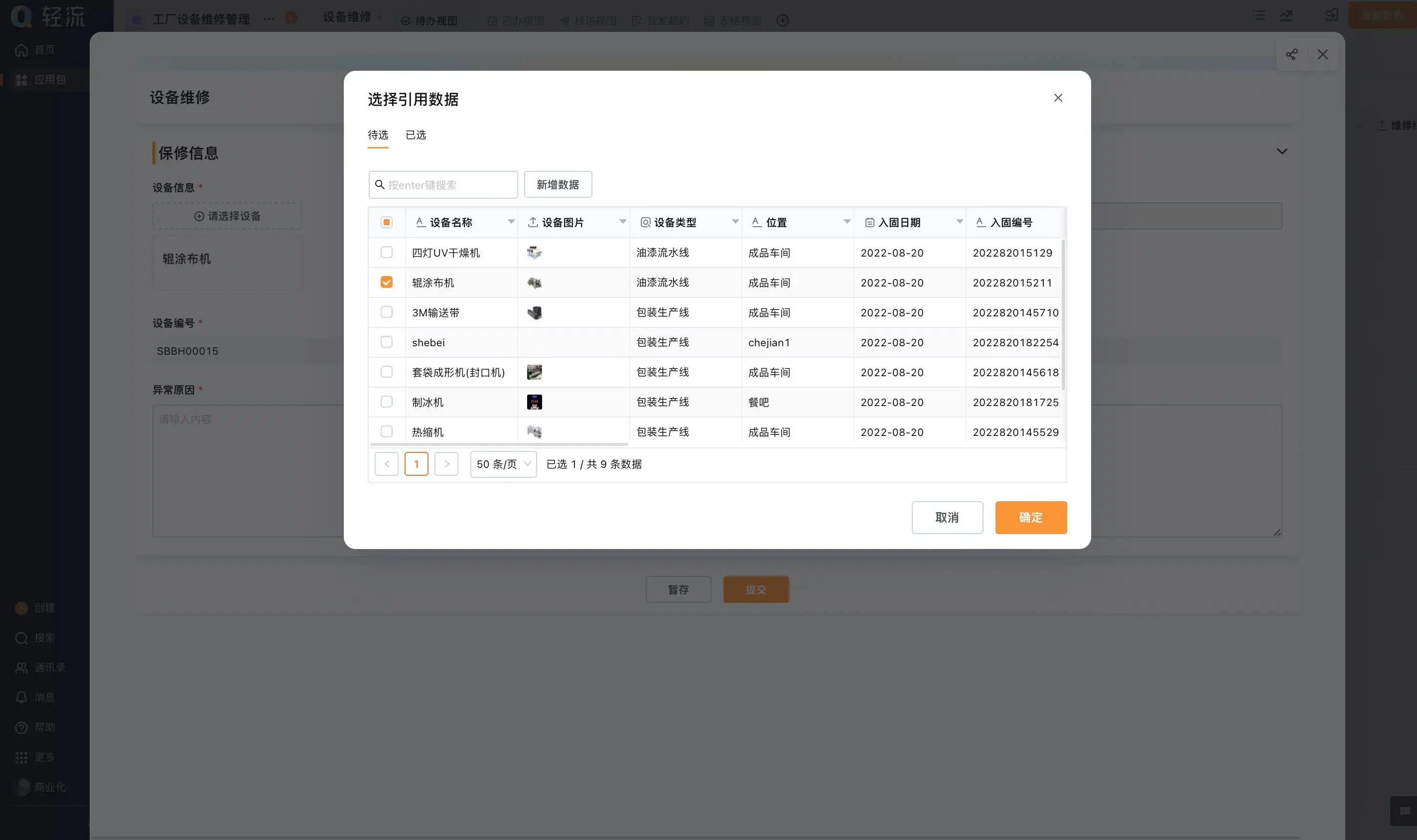
OMS System - Coordinate Orders from Entry to Fulfillment
An OMS system, or Order Management System, coordinates the steps between receiving an order and confirming its fulfillment status. It can organize order entry, validation, allocation or availability checks, handoffs to fulfillment, exception resolution, and customer or account updates. For wholesale operations, the process should connect order lines to a reliable inventory source and make partial shipments, holds, and changes visible. Product boundaries and synchronization behavior must be confirmed for the specific implementation.
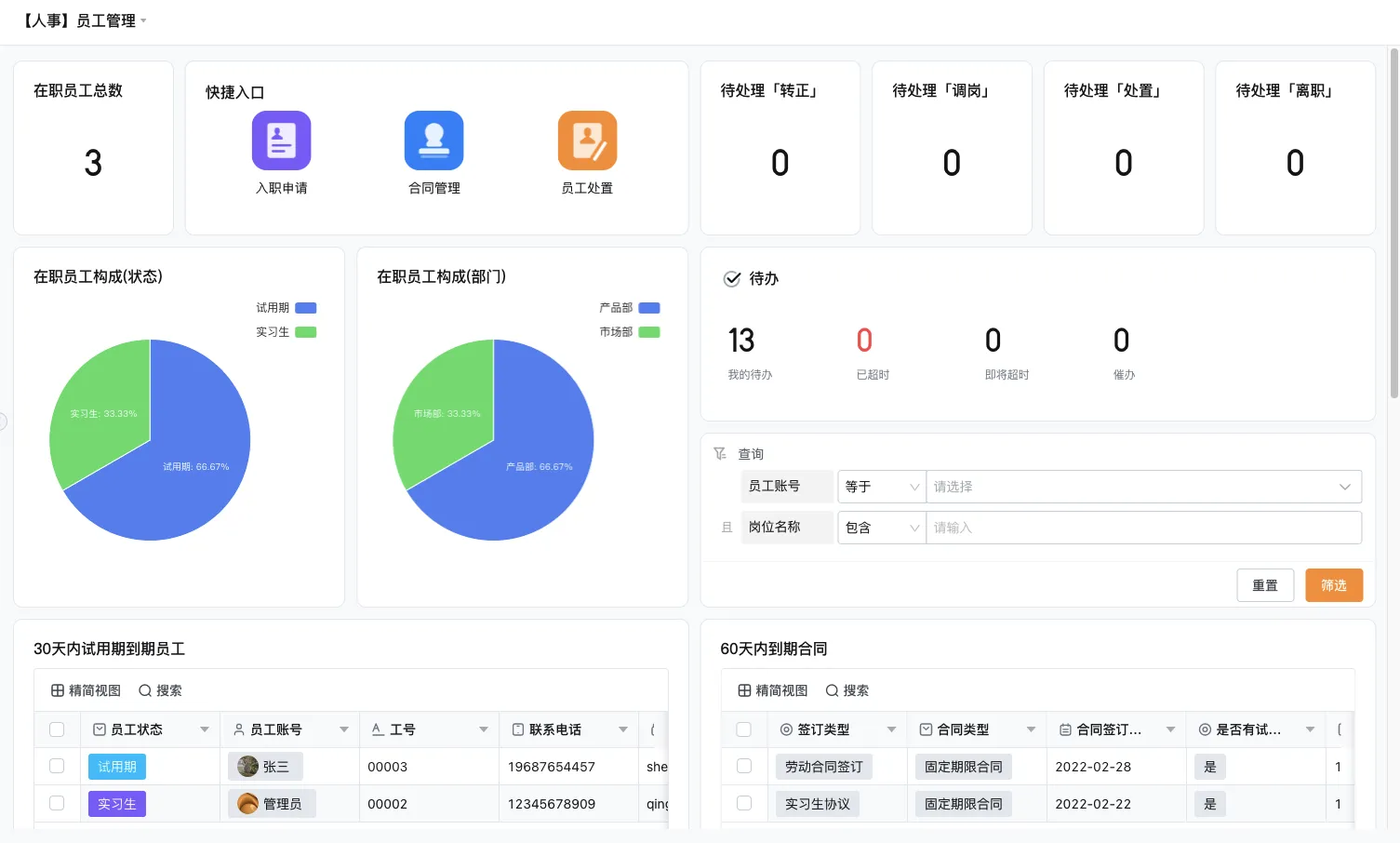
How to Choose an ERP Platform for a Growing Business
The right ERP platform gives a business a reliable way to coordinate the functions it actually needs, with clear data ownership and room to adapt as processes change. Small businesses should compare core coverage, usability, integrations, governance, and implementation effort before choosing. Manufacturers have additional questions about production planning and execution. A flexible platform for growing teams can support configurable workflows, but it should be evaluated against specialist ERP and manufacturing requirements rather than assumed to replace them.
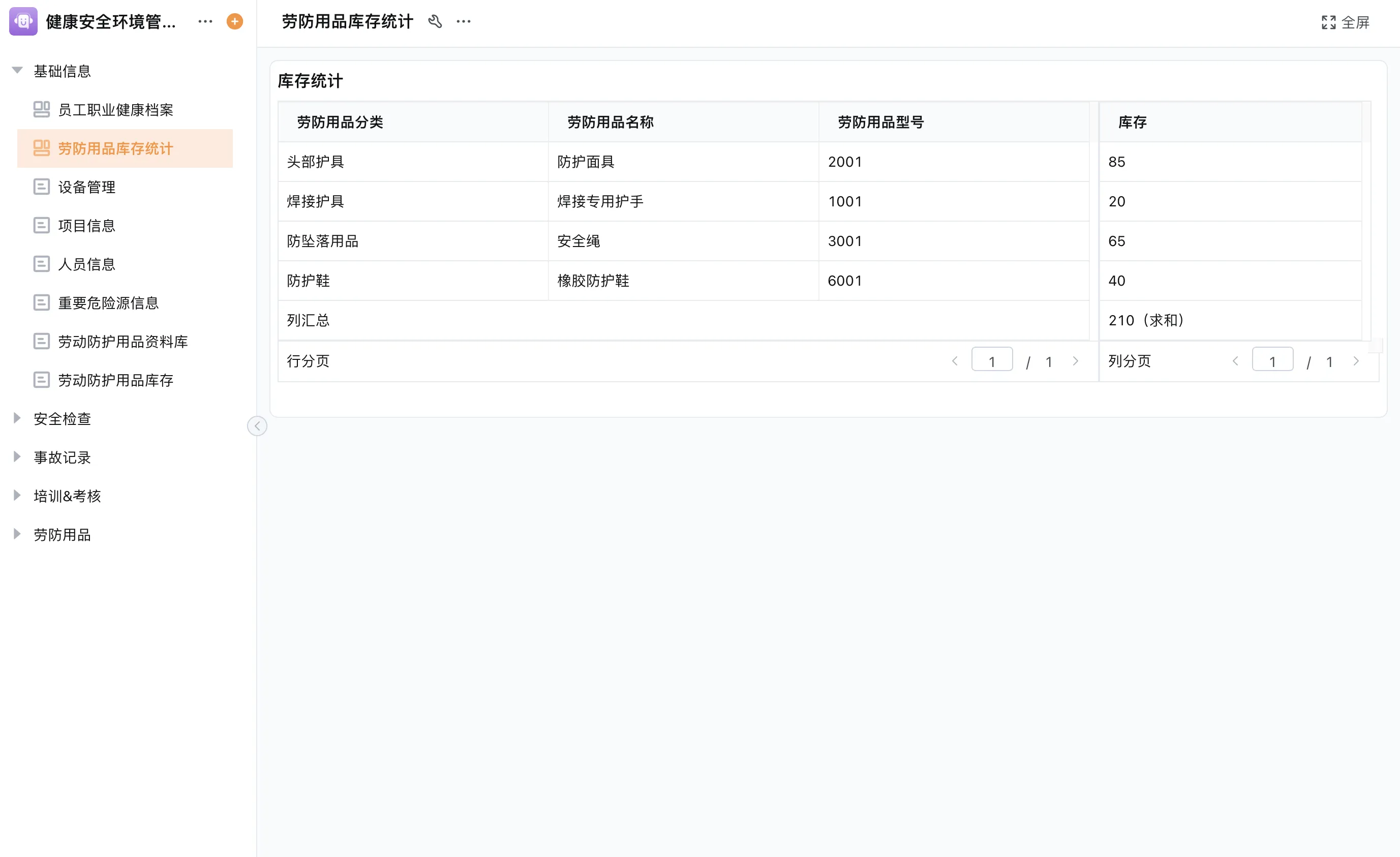
ERP Dashboard Guide - Choose KPIs for Better Decisions
An ERP dashboard turns selected business records into a view that helps people decide what to investigate or do next. A useful dashboard starts with a role, a decision, and clearly defined measures; it does not start with a collection of charts. Whether you need a realtime ERP dashboard or a scheduled report, confirm how often source data updates, who owns each metric, and what action should follow when a measure changes.
Employee Management System - A Practical Lifecycle Guide
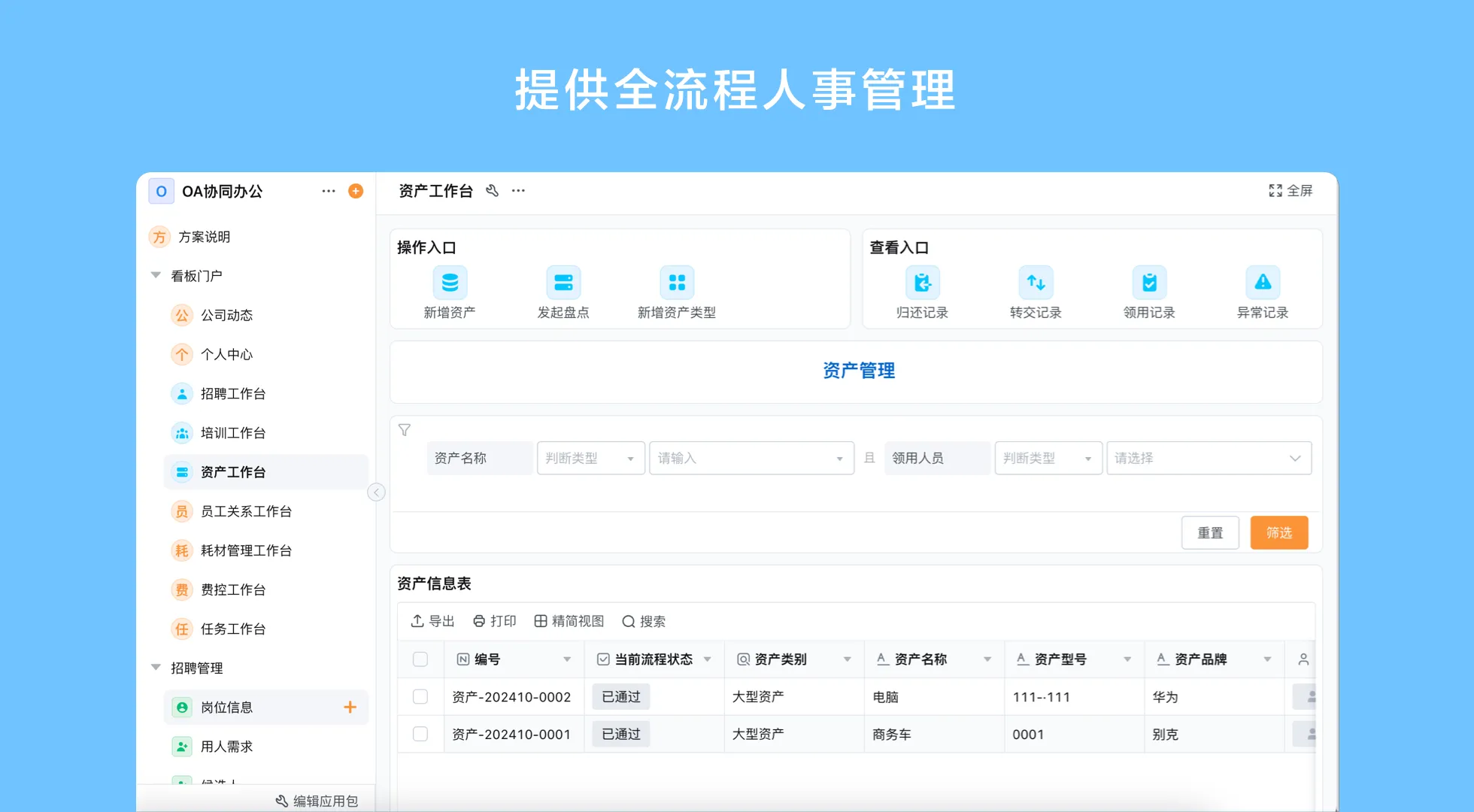
An employee management system organizes the records and processes that follow a person through their time at an organization. A useful setup connects onboarding, employee data changes, leave requests, approvals, and offboarding to defined owners and access rules. Small businesses can begin with a focused workflow and expand only when the process is clear; the system should support consistent administration without promising legal compliance, payroll accuracy, or a substitute for HR judgment.
CMMS Software - Maintenance, Inspections, Work Orders
A computerized maintenance management system (CMMS) organizes equipment records, maintenance plans, inspections, and work orders. It helps maintenance teams track what needs attention, who is responsible, and whether work has been completed and checked. A CMMS supports maintenance operations, while broader asset management or Enterprise Resource Planning systems may cover additional financial, procurement, or lifecycle responsibilities.
Business Management System - How to Choose the Right Scope
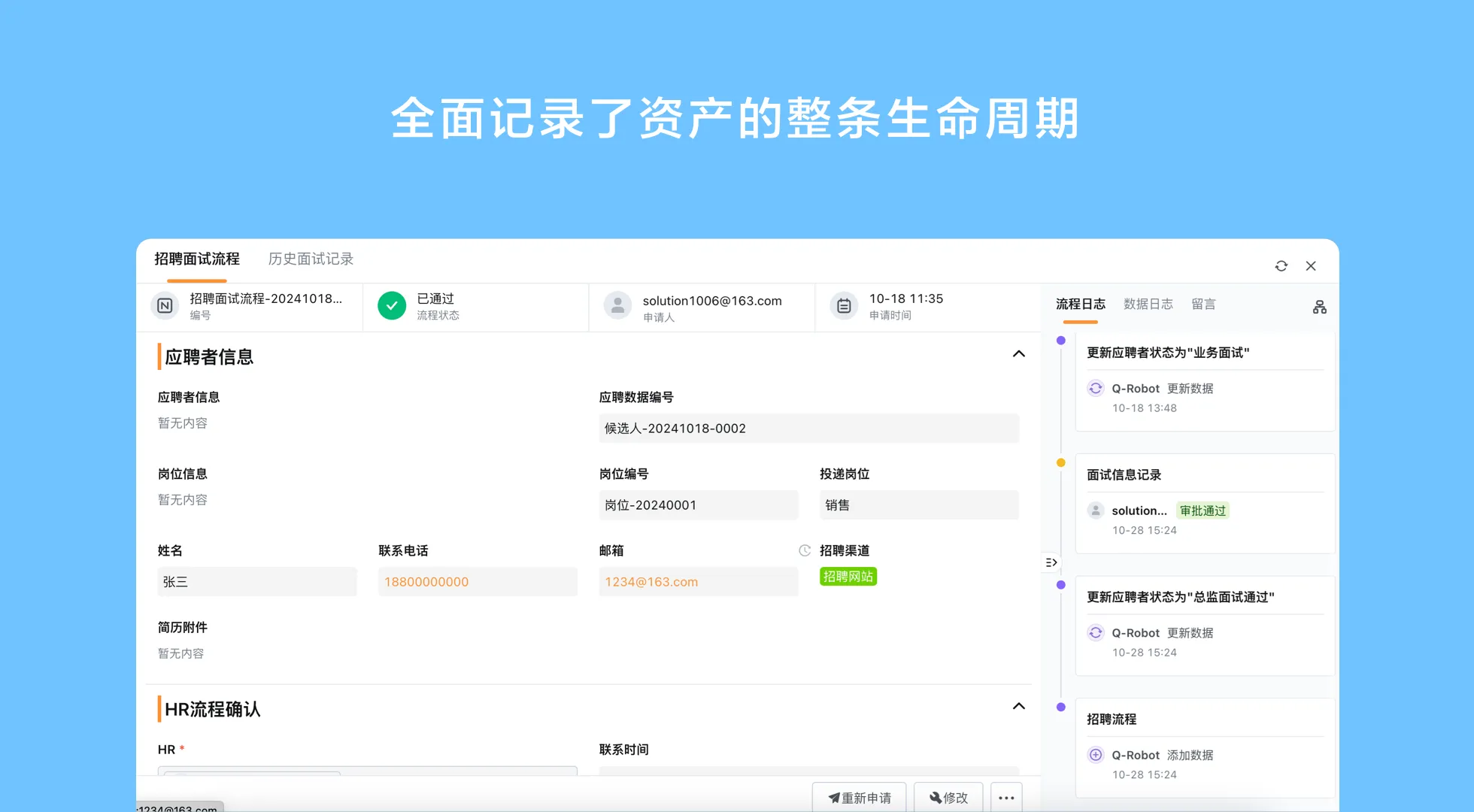
A business management system is software that helps an organization coordinate records, work, and decisions across one or more business processes. The right choice depends on the work to connect, the systems already in place, and who will own the data and workflow after launch. A broad platform can be flexible, while ERP, CRM, and point systems may provide deeper specialized functions; compare them by a concrete scenario rather than by the breadth of a product label.
客户案例
看看轻流OA行政管理系统的实际使用反馈
常见问题